Castine was founded in 1613 as an Acadian trading post with Penobscot native Americans. It was seized by the British, then by the French, and this pattern repeated itself several times. Even the Dutch grabbed it twice for a piece of the action.
Baron Jean-Vincent d’Abbadie de Saint-Castin was dispatched from France, and married a local Abanaki tribeswoman. The town was named after him and that name stuck until today, despite further changes in occupation between Britain, France and Holland.

Baron Jean-Vincent d’Abbadie de Saint-Castin
Finally, as a British colony, Castine was the site of what’s considered the most disastrous naval defeat until Pearl Harbor. Rebel forces from Boston mounted a flotilla expedition to attack this British stronghold. Even Paul Revere was along for the ride. The British, although largely outnumbered, fought back the incursion. 43 rebel ships were lost at a cost of $8 million (probably over $200 million in today’s currency). Some were scuttled by the rebels themselves on retreat, to avoid them falling into British hands. Castine remained under British control until it was handed over as part of the peace settlement at the end of the war.
Britain took over Castine once again during the War of 1812, but eventually returned it to the United States.
Between the War of 1812 and the Civil War, Castine prospered from fishing, salt, and shipbuilding. After the Civil War, with steamships and railroads replacing sailing vessels, and people moving elsewhere for work, the town declined.
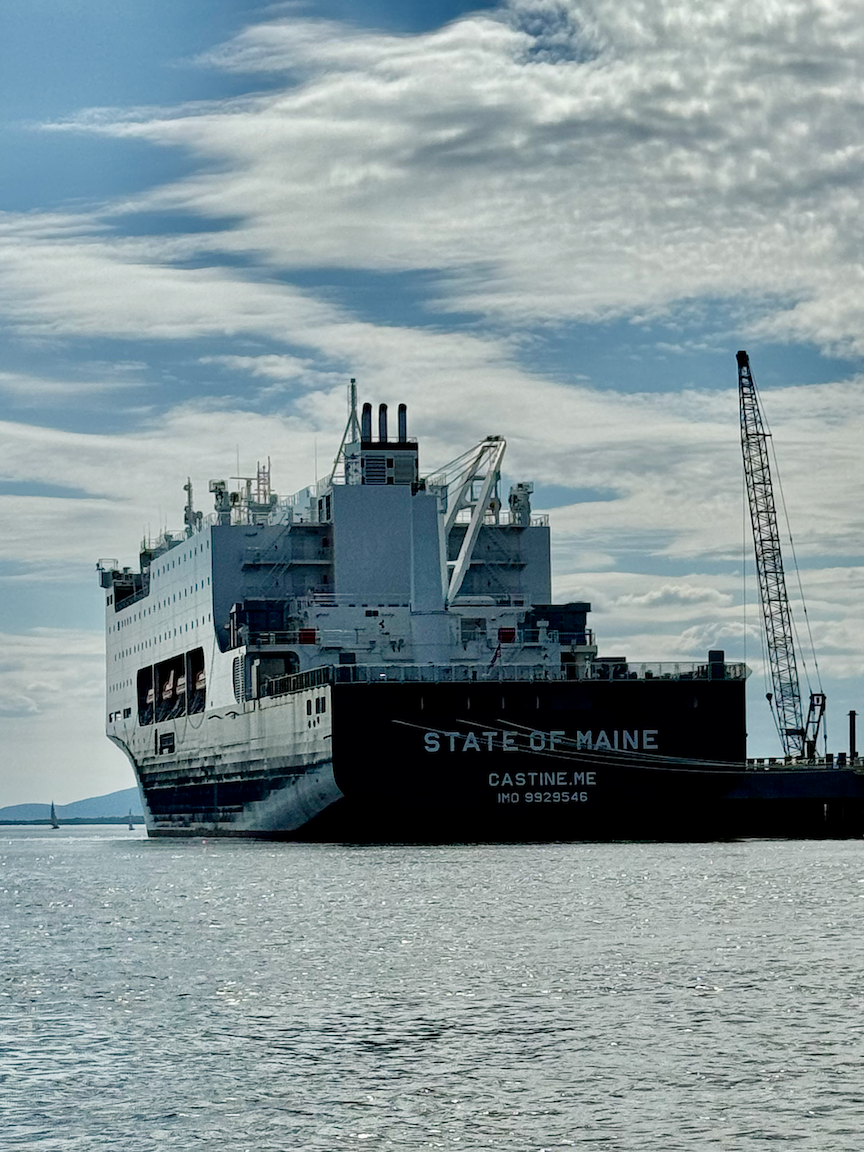
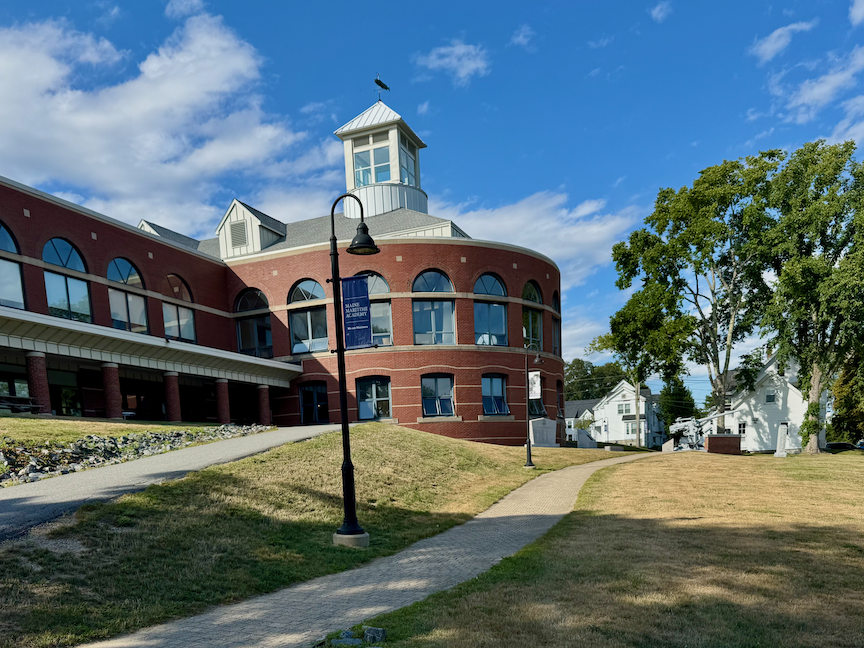
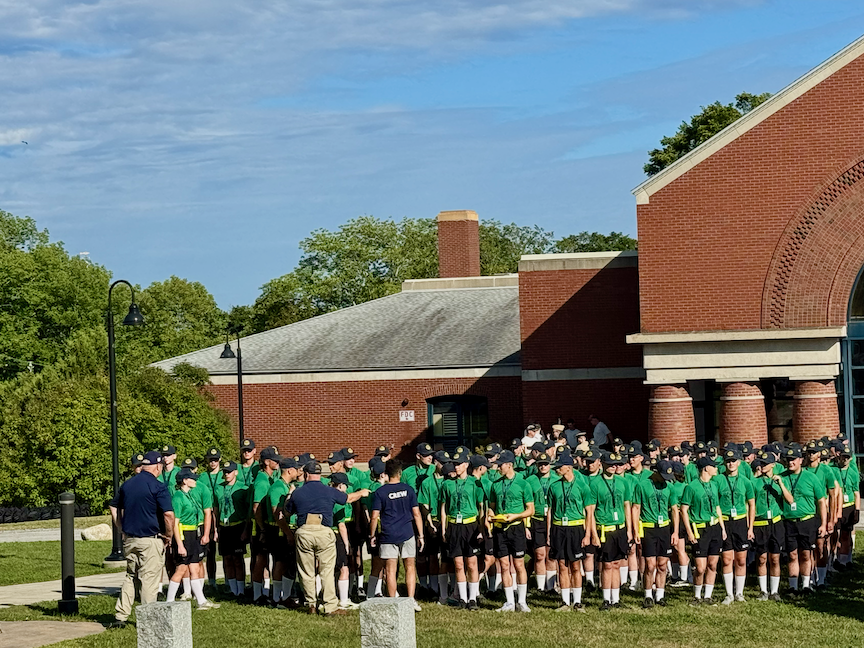
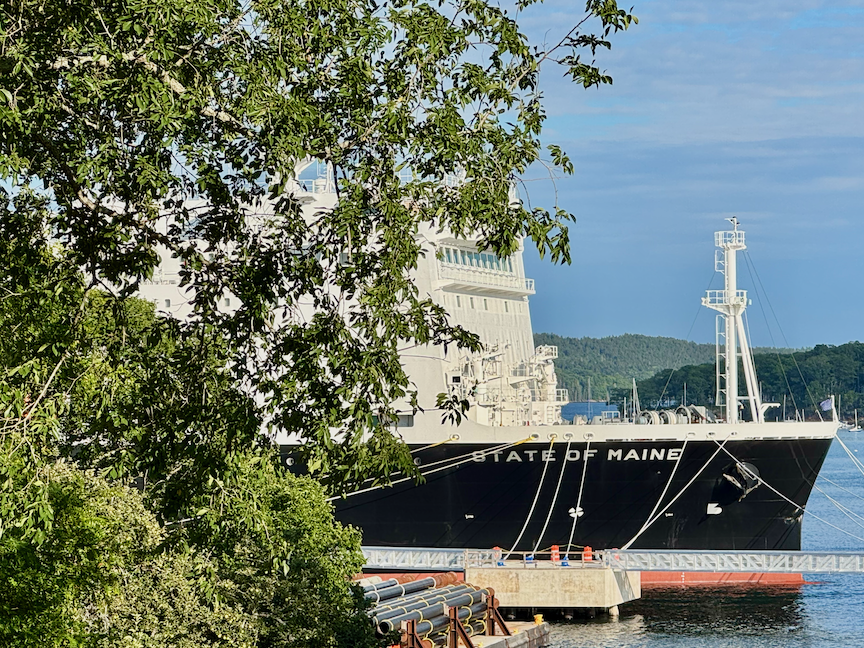
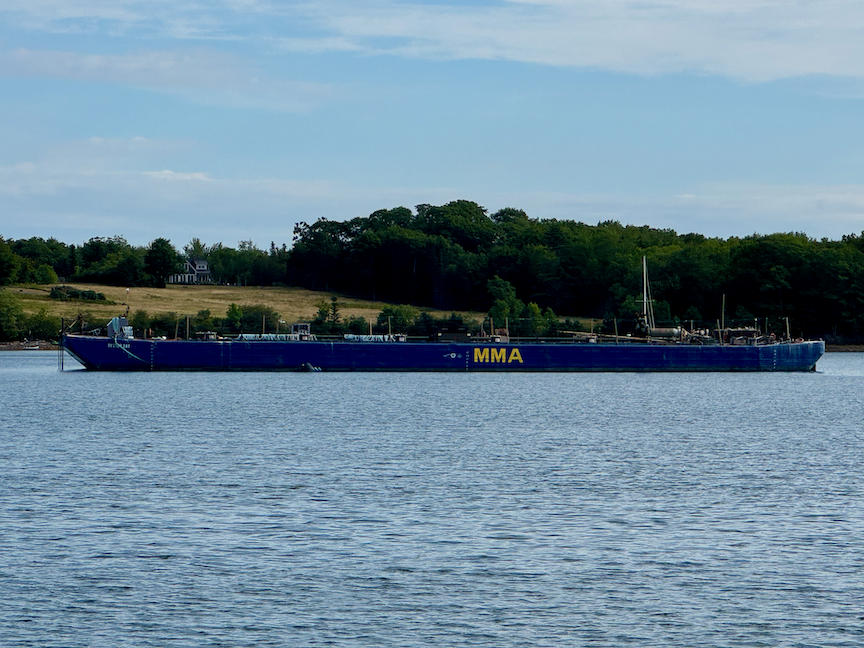
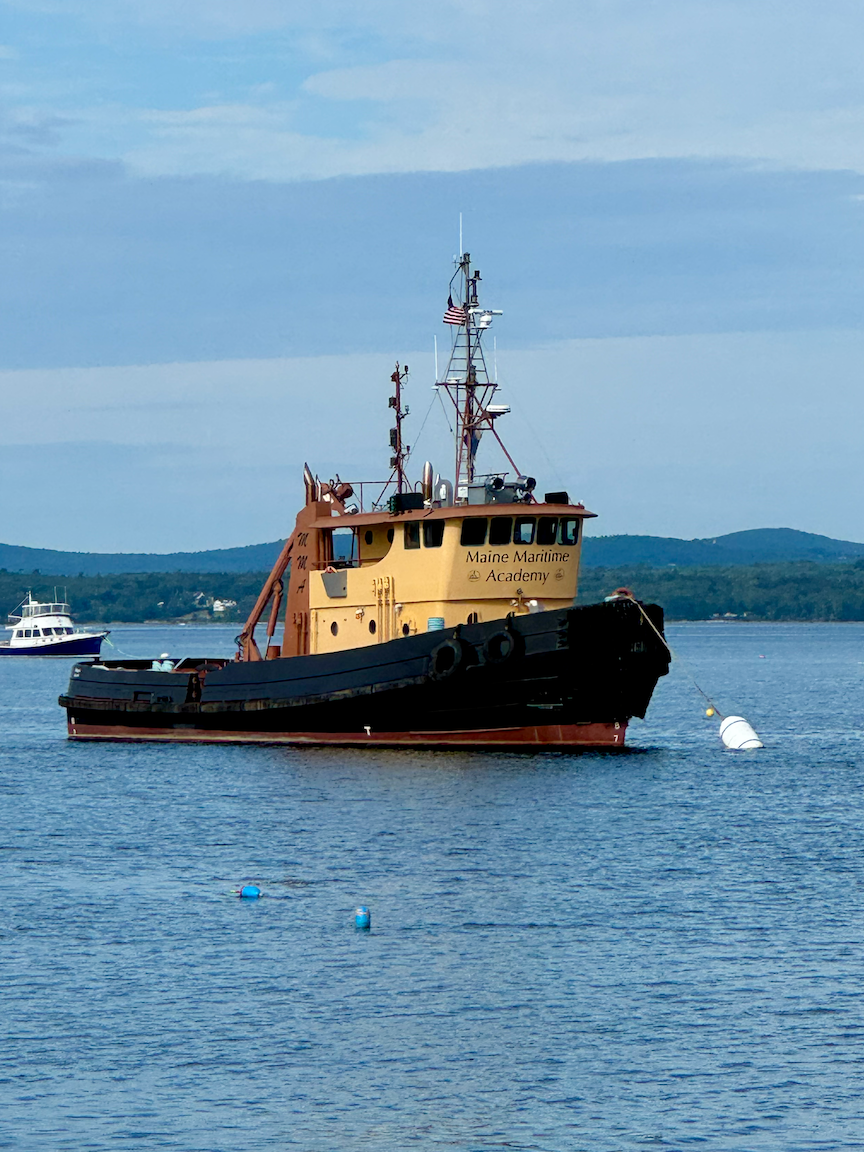
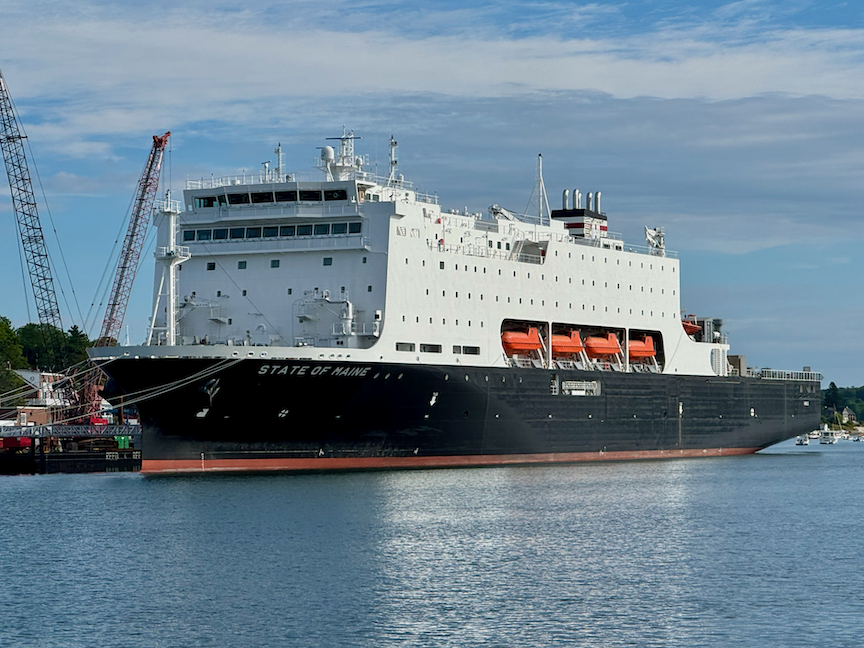
The town bounced back starting in 1941, thanks to the establishment of the Maine Maritime Academy, replacing the Eastern State Normal School, where public school teachers were trained.
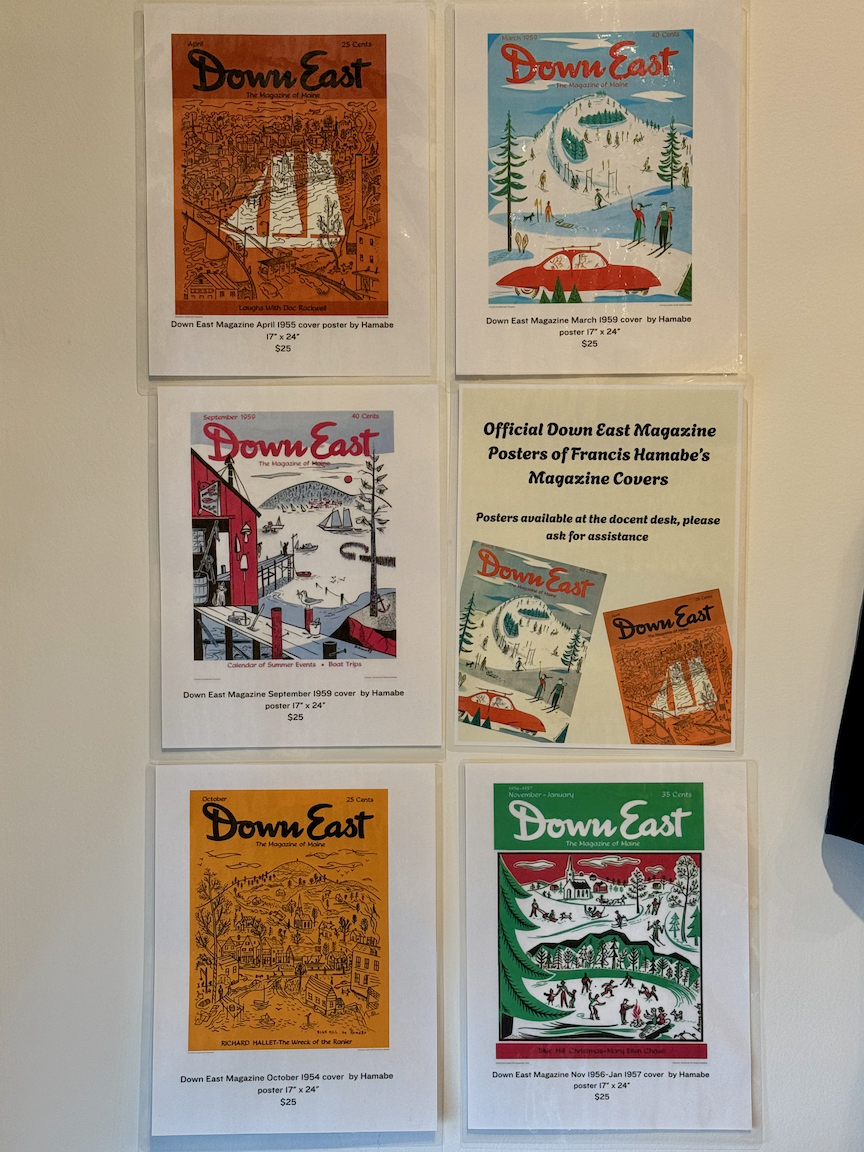
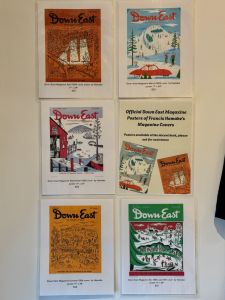
Japanese-American artist, Francis Hamabe was as notorious Castine resident. Among his work, he was art director of “Down East” magazine in the 1950s, still in circulation today. He once said, “Many fine artists work in New York all year just so they can come to Maine for two months in the summer. I’d rather work up here for less money and be in Maine all year ’round.” As someone who just moved to Maine from New York State, I can’t argue with that!
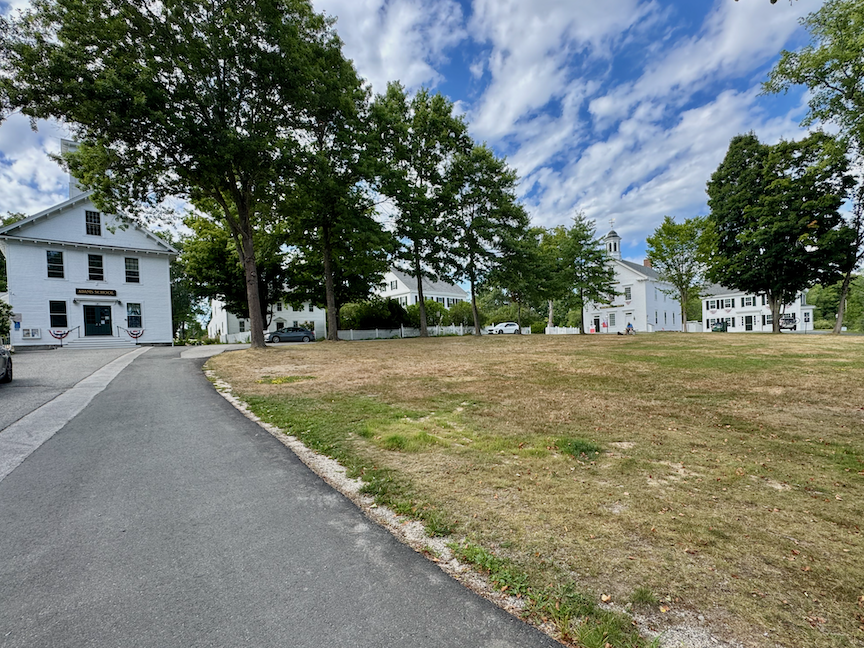
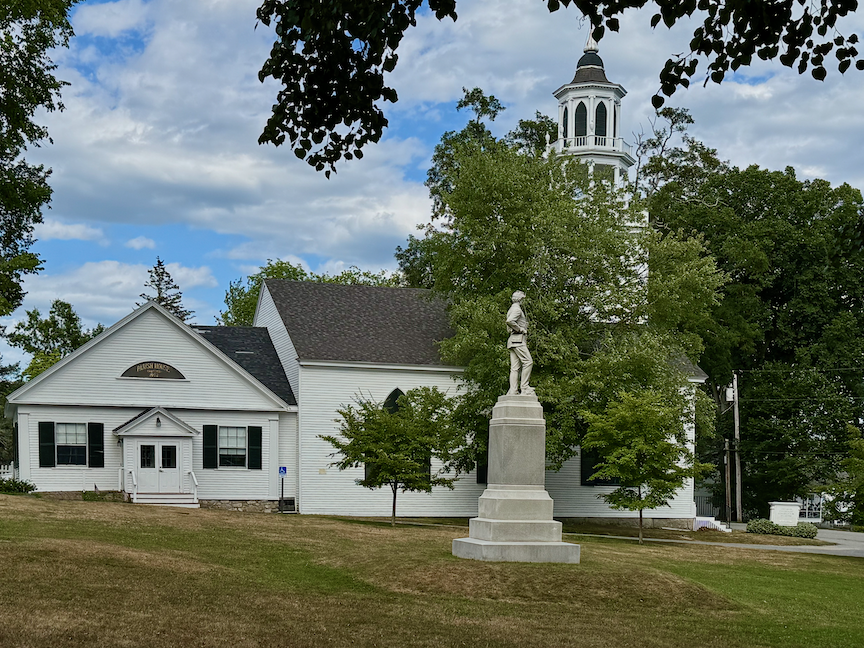
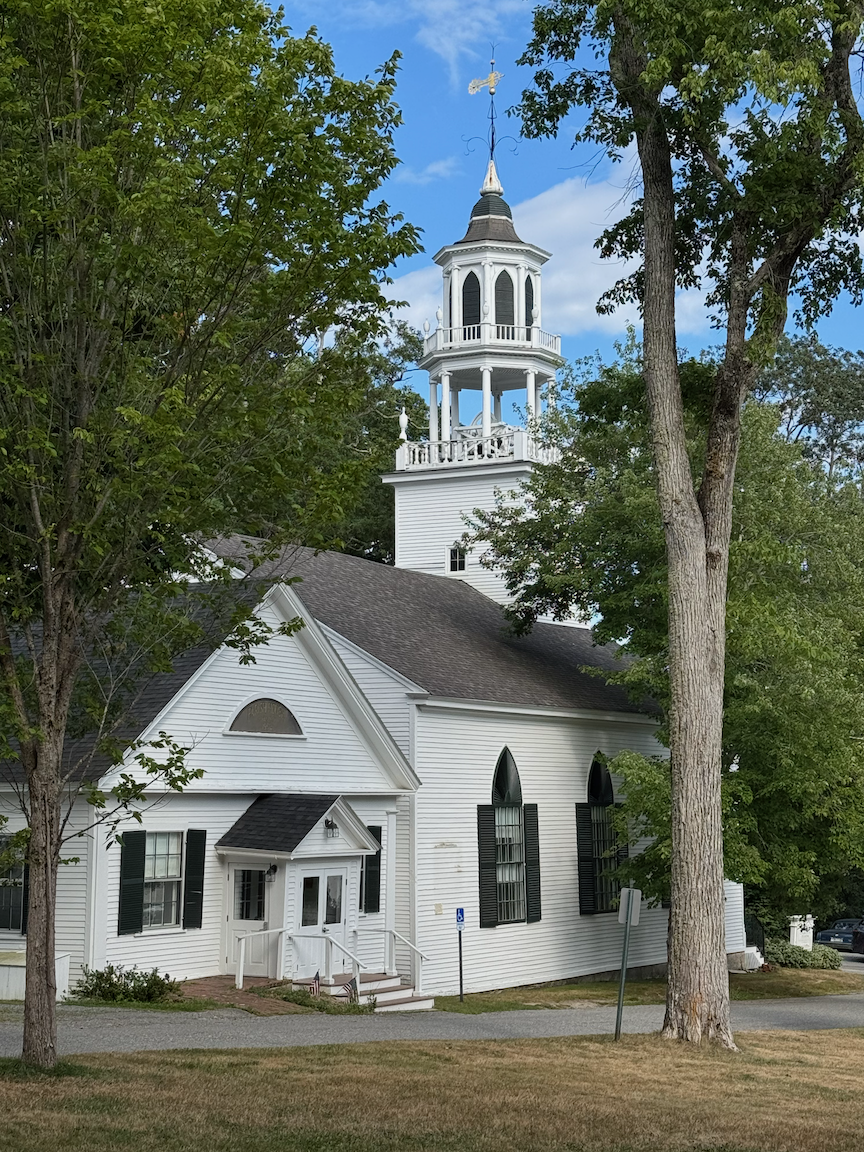
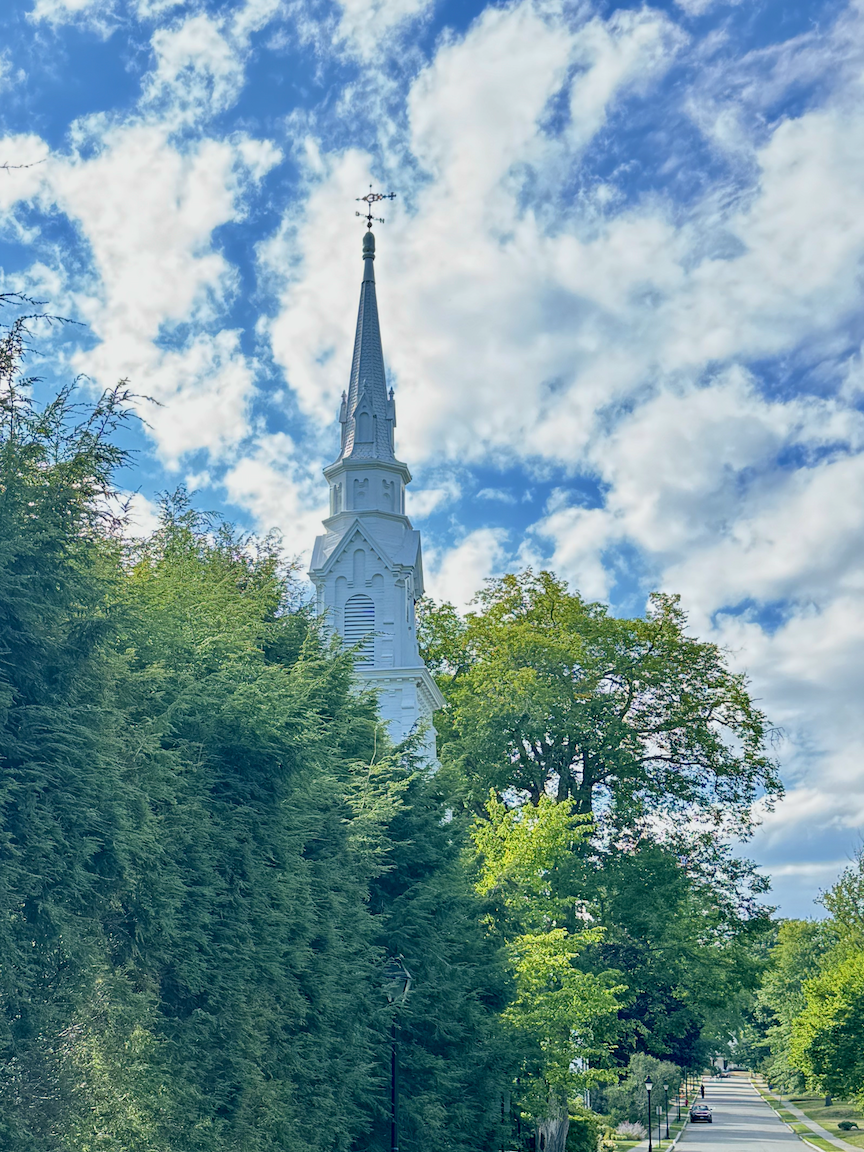
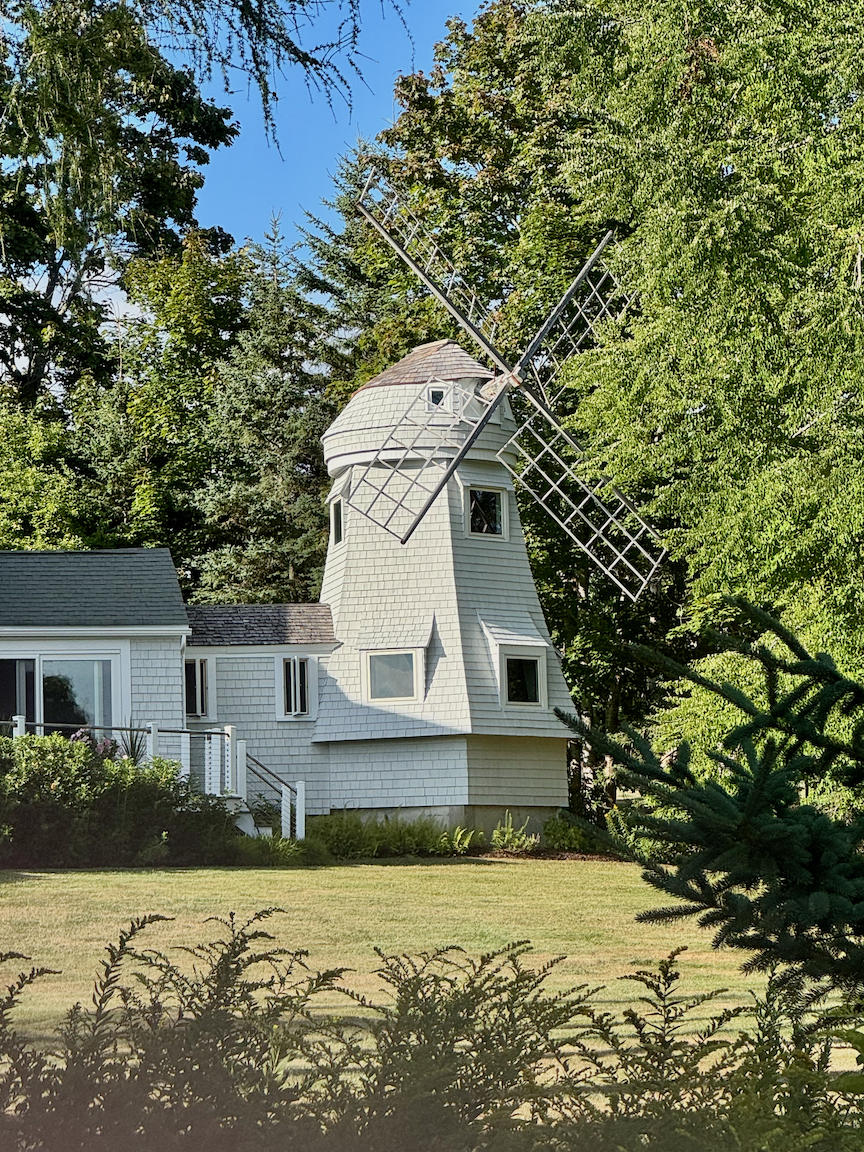
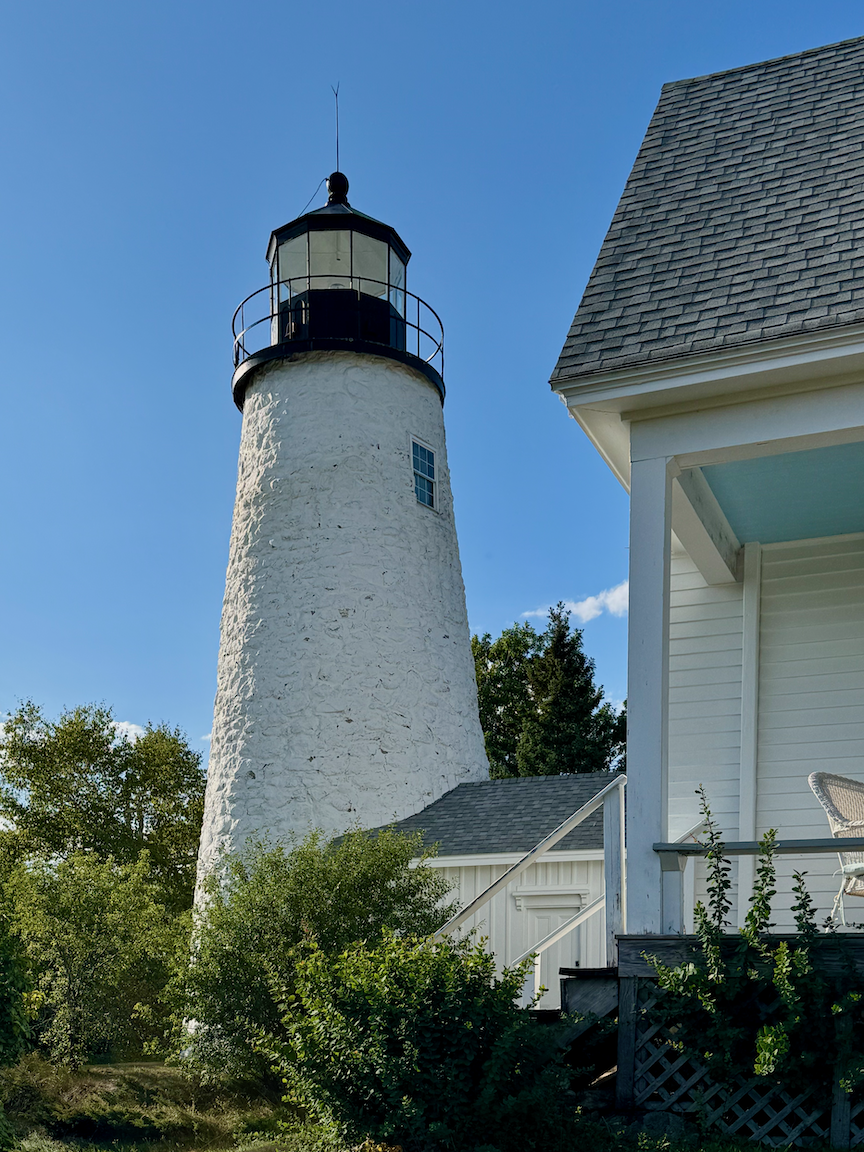
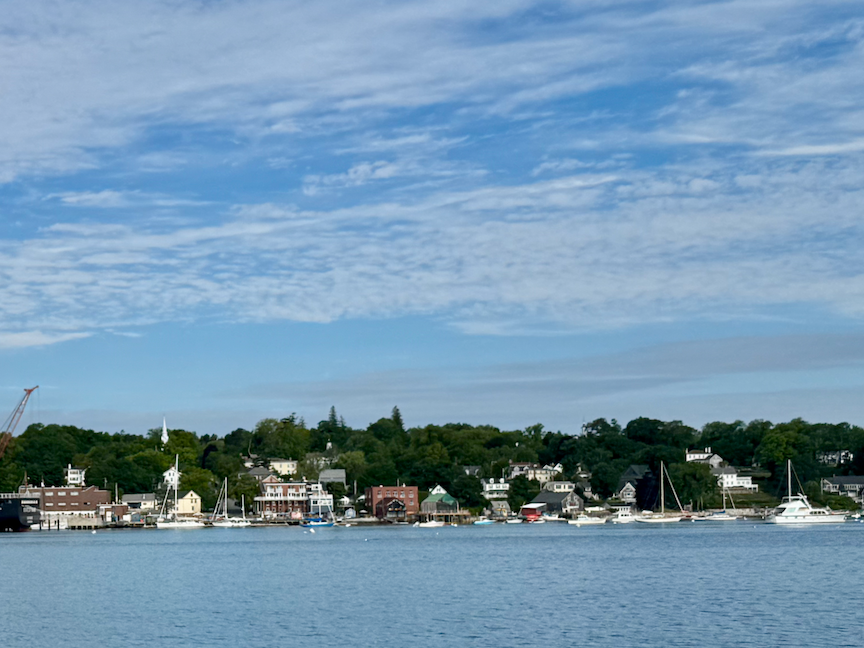
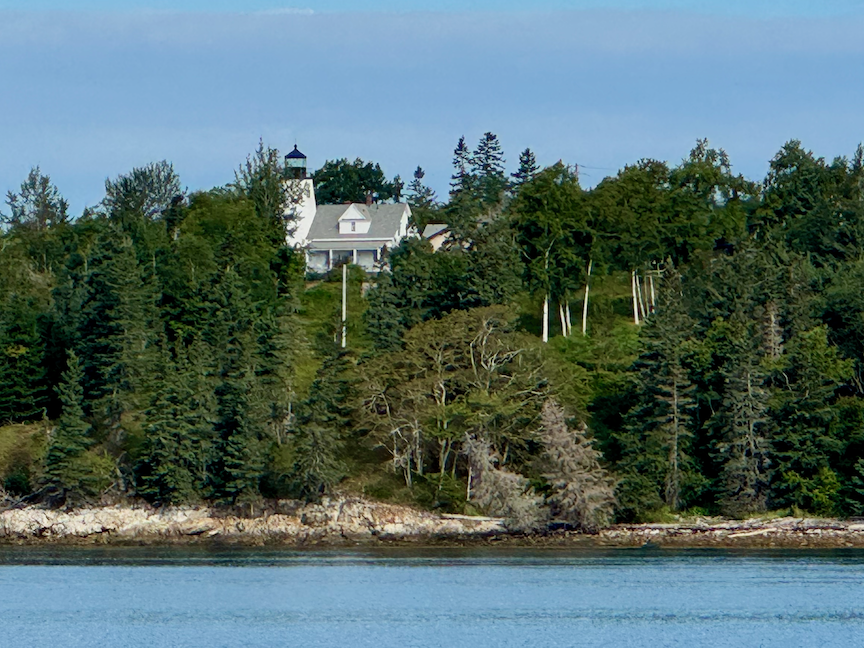
Today, it’s an idyllic town in a beautiful coastal setting, with a colonial era commons, and quiet elm-lined streetsRebe